Commodity Business Operation Lifecycle
Advisory

Advisory Services

Business Process Optimization

Energy Risk Management

Software Selection

Program Management

Renewables

Power Purchase Agreement (PPA) Management

Data Analytics Enablement

Data Journey

Data Transformation

Data Driven Success

Data Transformation

Database Migration

Analytics & Reporting

RightAngle

Other CTRM Products

Managed Services

Allegro

RightAngle

Other CTRM Products

Expertise on Demand

Allegro

RightAngle

Other CTRM Products

Testing Services

Automation Tool For Allegro (ATA)

RightAngle

Other CTRM Products

Business Process Outsourcing

Allegro

RightAngle

Other CTRM Products

CTRM Journey

CTRM Journey

CTRM Training

CTRM Implementation

Allegro

RightAngle

CTRM Implementation

CTRM Upgrades

Allegro

RightAngle

Other CTRM Products

ISO Services
Life At ValueCreed

Consultant's Journey

Culture

Employee Training
Programs

Wellness

Entrepreneurship

Learn by Example

Workcation

Gaming Zone

Catalyst

Client Training

Client Training

Careers

Careers

Digital Transformation

Intelligent Automation

Cloud Services

RightAngle

Other CTRM Products

DevOps
RightAngle

Other CTRM Products

The Intraday Imperative

The Operating Model Behind Commercial Success in Intraday Markets

The Next Frontier in Short-Term Power Optimization

The shift from 30-minute to 15-minute timeframes under the EPEX market shift has fundamentally changed how energy players approach short-term trading. It is no longer sufficient to operate on a day-ahead view. Optimizing in real time and responding to evolving market conditions now demand intraday trading capabilities, integration with cross-border capacity, renewable assets, battery storage, and AI-driven forecasting.

The Transition Reshaping Short-Term Power Markets

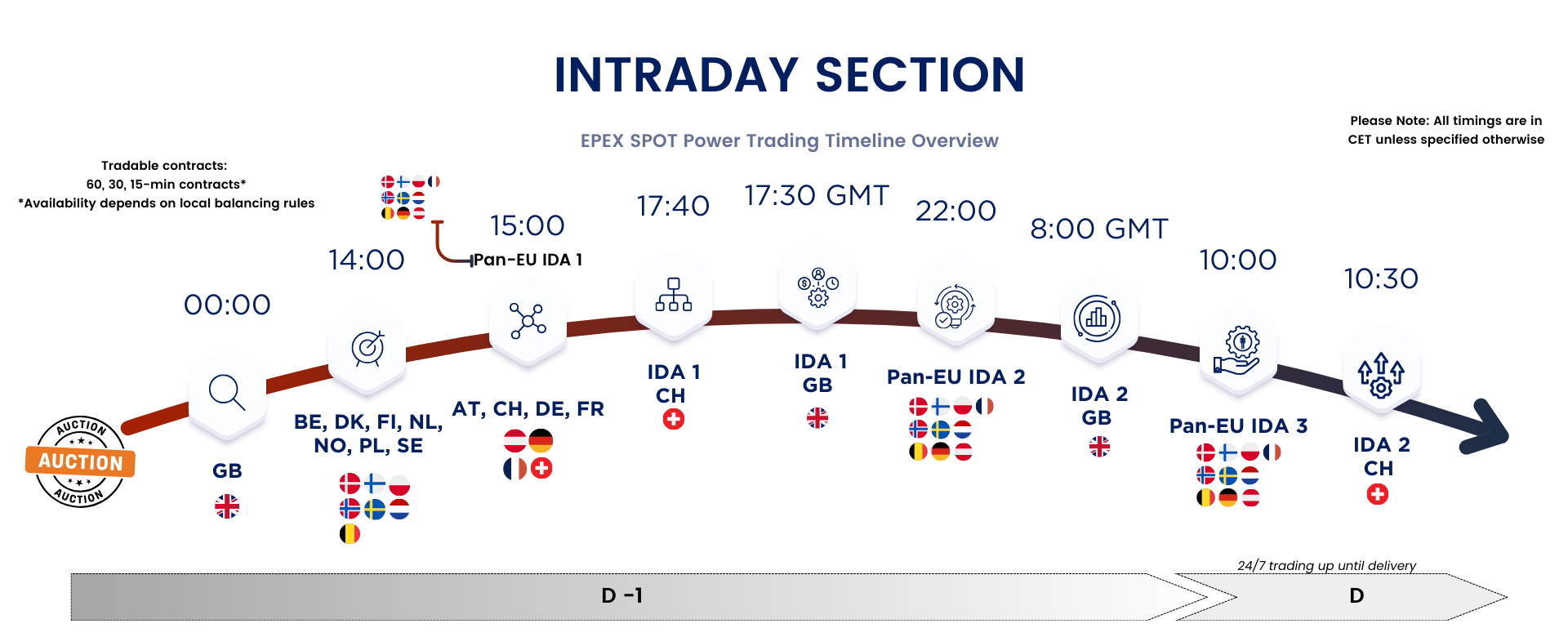
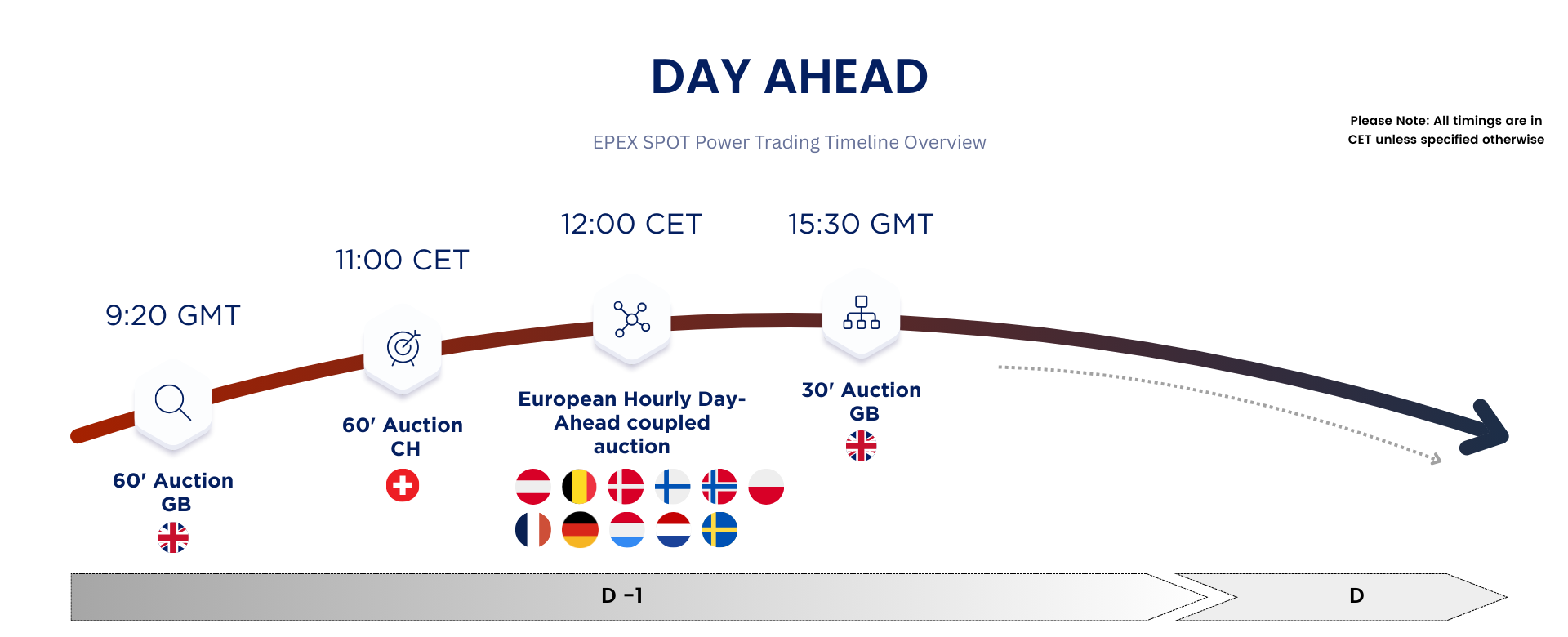
With the new 15-minute granularity, market participants gained access to more frequent price movements and additional trading windows. This opens real commercial upside for firms that can respond quickly and accurately. Intraday trading allows energy traders to buy or sell power in smaller delivery windows across the day instead of relying solely on day-ahead auctions. The structure typically works as follows:

  • Bids are submitted the day before, hour by hour (now in 15-min intervals)
  • The exchange allocates volumes and publishes a single day-ahead price per interval
  • Conducted after the day-ahead auction
  • Multiple auctions run at different times (e.g. 3 PM, 10 PM, next morning at 8 AM)
  • Some cover full 24-hour delivery, others only the second half of the day
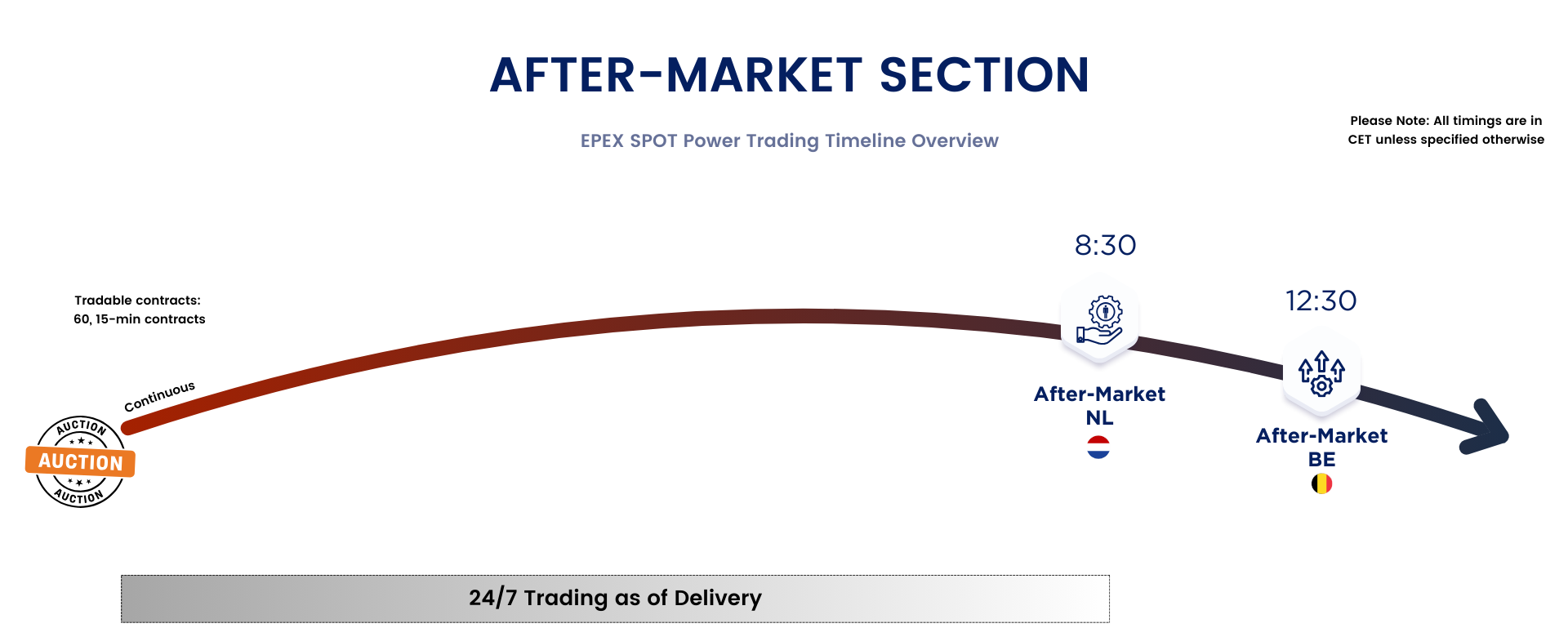
  • Real-time trading in 15-minute or more delivery blocks
  • Prices are visible directly on screen
  • Traders react to market conditions, asset positions, weather shifts, and spread opportunities

Commercial Challenges

To execute intraday trading effectively, firms need more than just market access. Without this alignment, traders miss price movements, battery operators lose value, and renewables become harder to dispatch profitably.

Success relies on:

Managing High-Frequency Trades

Intraday markets operate at high frequency, especially where algorithmic trading is active. The trading activity is rapid and data-intensive, which means one capability becomes non-negotiable: continuous visibility of position. Every 15 minutes, a trader must know whether they are long, short, or balanced and how this will impact their exposure to the imbalance market. Some players operate tactically to benefit from spreads, while others aim to minimize risk. Regardless of strategy, the commercial principle remains constant. Without up-to-date position data, trades become reactive instead of strategic. This creates opportunities to:

Optimized intraday vs day-ahead prices vs imbalance prices

Optimize renewable generation and storage assets

Avoid
imbalance
penalties

Monetize
flexibility across borders

Turning Intraday Requirements into Operational Reality

Most firms underestimate the complexity of executing intraday trading through their ETRM platform alone. The reality is that ETRM is only the core, and every high-performing setup depends on multiple surrounding systems working in sync. Value Creed has delivered intraday capabilities across multiple ETRM platforms and configurations globally. This delivery experience helps clients to have a practical view of implementation pathways, allowing it to distinguish between those that accelerate value and those that create operational risk. Rather than following theoretical templates, our experts apply a proven build methodology that structures the environment correctly, validates functionality early, and prevents rework before it occurs.

Fast-track implementation and configuration paths

Defined validation checkpoints tied to real trading processes

Keeps your ETRM lightweight and optimized for smoother performance.

An intraday operating model aligned with live trading requirements

The Strategic Advantage Ahead

With the new market shifts in place, intraday trading has become a core requirement for effective short-term power optimization. As volatility increases, renewables scale, and cross-border trading expands, firms that hesitate will find their margins eroded by imbalance exposure and inefficient dispatch. The firms that adapt quicker will shape the benchmark for commercial performance. Value Creed enables that shift by building intraday capabilities that work in real market conditions, not just in design documents. With the right implementation model, readiness checkpoints, and architecture discipline, intraday trading becomes a competitive advantage rather than a compliance requirement. The next stage of power trading belongs to those who can execute intraday with clarity, speed, and confidence.

E-CTRM-VALUE-CREED-3

Recommended Resources

Ready to get started?

Explore our suite of solutions designed to empower your trading and risk management functions. Partner with us for a transformative CTRM experience that drives success in today’s ever-evolving markets.