Commodity Business Operation Lifecycle
Advisory

Advisory Services

Business Process Optimization

Energy Risk Management

Software Selection

Program Management

Renewables

Power Purchase Agreement (PPA) Management

Data Analytics Enablement

Data Journey

Data Transformation

Data Driven Success

Data Transformation

Database Migration

Analytics & Reporting

RightAngle

Other CTRM Products

Managed Services

Allegro

RightAngle

Other CTRM Products

Expertise on Demand

Allegro

RightAngle

Other CTRM Products

Testing Services

Automation Tool For Allegro (ATA)

RightAngle

Other CTRM Products

Business Process Outsourcing

Allegro

RightAngle

Other CTRM Products

CTRM Journey

CTRM Journey

CTRM Training

CTRM Implementation

Allegro

RightAngle

CTRM Implementation

CTRM Upgrades

Allegro

RightAngle

Other CTRM Products

ISO Services
Life At ValueCreed

Consultant's Journey

Culture

Employee Training
Programs

Wellness

Entrepreneurship

Learn by Example

Workcation

Gaming Zone

Catalyst

Client Training

Client Training

Careers

Careers

Digital Transformation

Intelligent Automation

Cloud Services

RightAngle

Other CTRM Products

DevOps

RightAngle

Other CTRM Products

Achieving Business Readiness Through Data Consistency

Driving Accurate Horizon Cutovers with Structured Validation

Data Consistency Across Systems

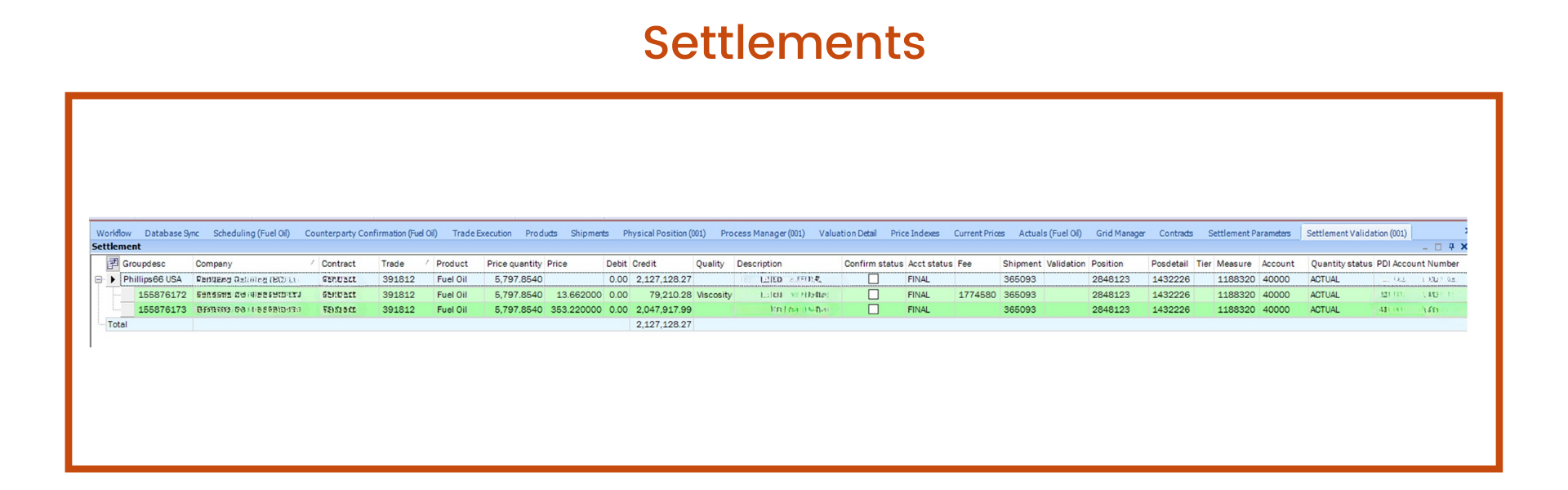
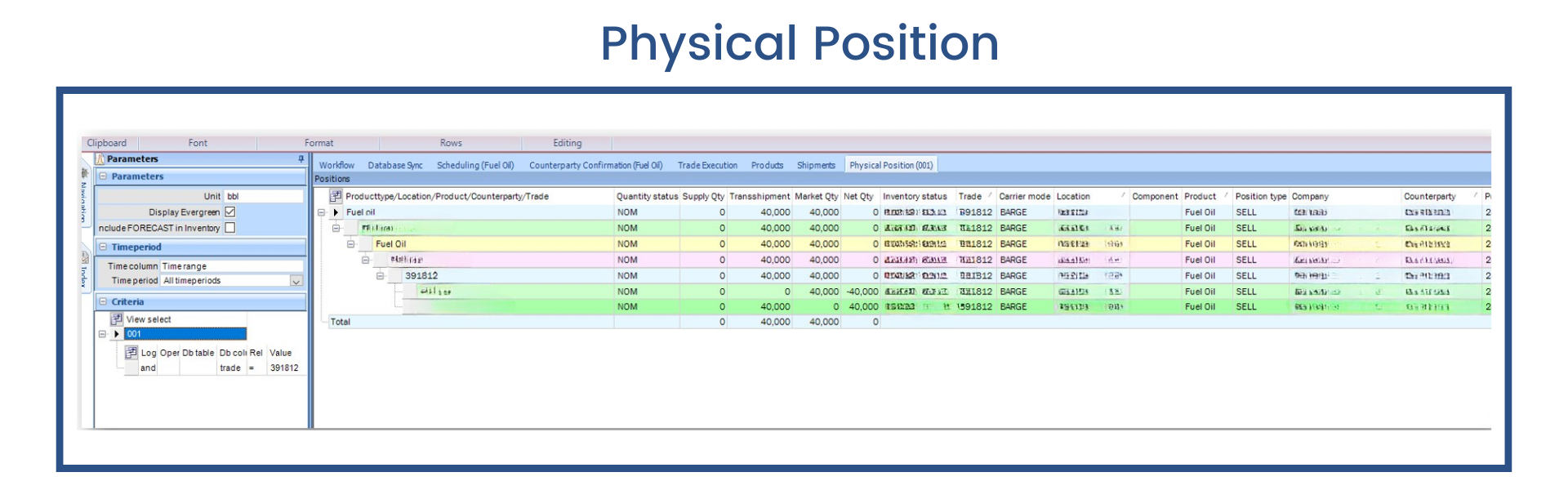
Successful UAT relies on one principle – every function must trust the numbers. From trade capture to valuation to settlement, misalignment stalls approvals, delays go-live decisions, and triggers unnecessary debates around spreadsheets. Validation needs structure, not manual reconciliation. Valid, repeatable checks must cover the full trade lifecycle. During cutover periods, users often spend time forcing matches rather than understanding how data models differ between legacy and Horizon. A stronger approach is a structured reconciliation process using lightweight extracts, scripts, and reusable logic across Front Office, Risk, Logistics, and Settlements.

Moving From Manual Fixes to Structured Logic

This logic replaces spreadsheet conflict with evidence-based reconciliation and creates a defensible audit trail that teams can trust.

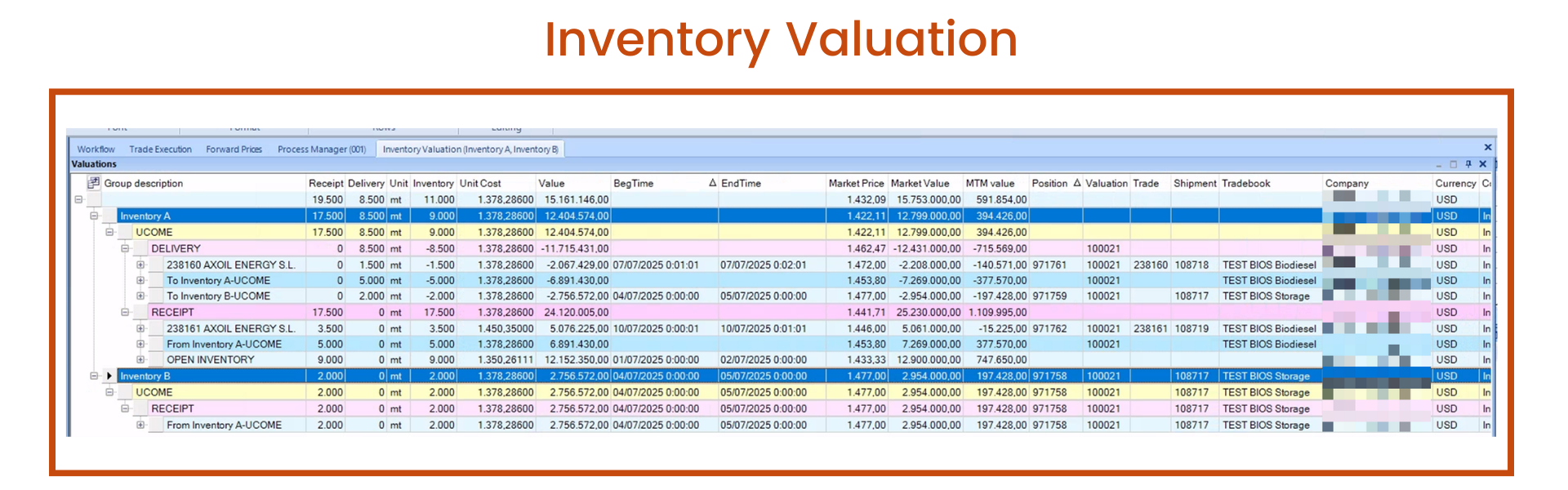
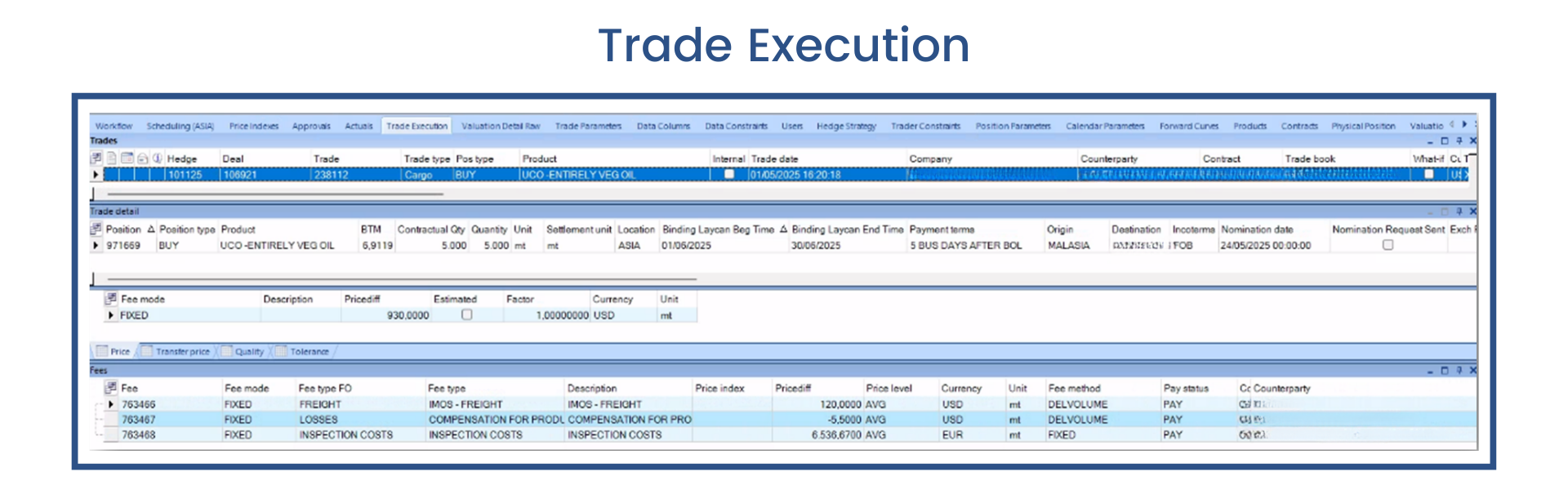
Consistent validation: Trade → Inventory → Valuation → Settlement

Predefined scripts and parity checks instead of ad-hoc spreadsheets

No ambiguity with pattern verification, roadblock isolation, and reusable methods

Known failure points such as class events, message events, grid jobs, SELECT traps

Clear documentation of “as-of” dates
and calendar references

Driving Faster Acceptance Across Business Functions

Each stakeholder needs their own proof of readiness. When reconciliations follow predictable logic, teams shift from blockers to advocates. This structure reduces test cycles and builds internal consensus faster.

Front Office

Positions alignment before trading confidence is granted

Mid Office / Risk

Exposure validation and P&L sanity checks

Back Office / Settlements

Invoice accuracy and aging validations

Executives / PMs

A defined, measurable acceptance route to go-live

Enable Month-End Reconciliation with Value Creed Accelerators

Value Creed brings discipline and speed to month-end reconciliation with structured accelerators designed to reduce UAT delays while increasing confidence in system readiness.  <br>Our method equips clients with prebuilt SQL parity checks across key functions such as Positions, Inventory, Settlements and Credit, supported by a baseline runbook to verify referential data integrity and pricing controls. Regenerable month-freeze datasets and audit-ready variance evidence packs provide clarity, traceability and repeatability. The result is faster root-cause detection, reduced triage time and artifacts that remain usable post go-live. Most importantly, clients gain the confidence to secure full-month approval without extending the test cycle.

Play Video about Knowledge-Base-Images-7
VIDEO

Want to Know More?

Why “Same Numbers” Matter

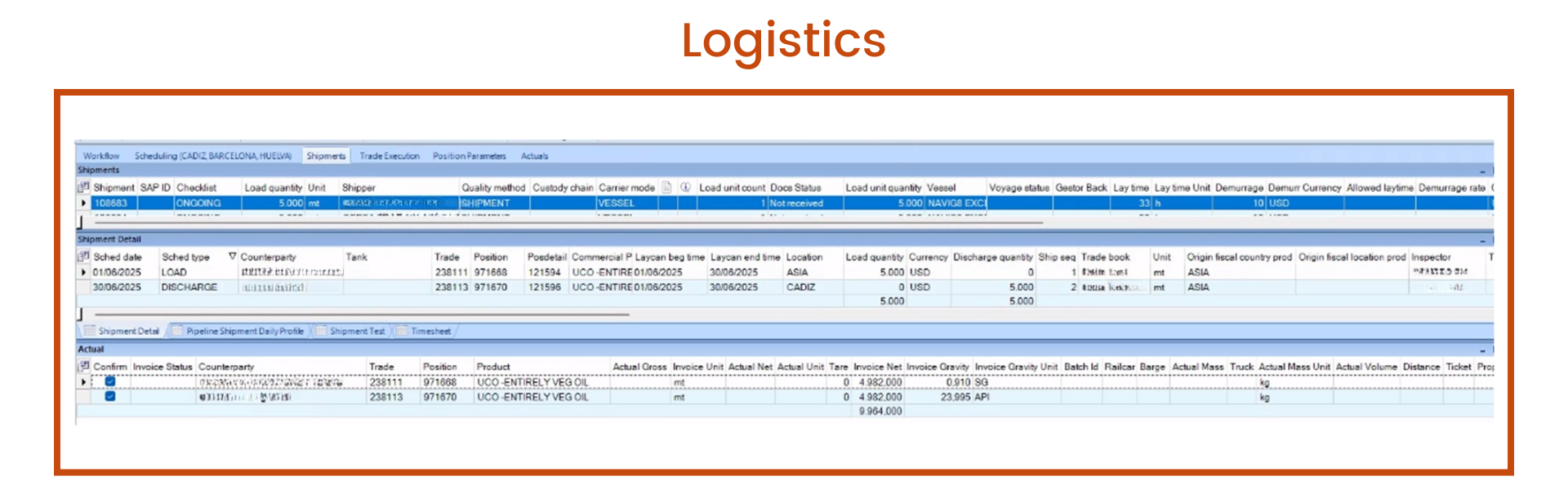
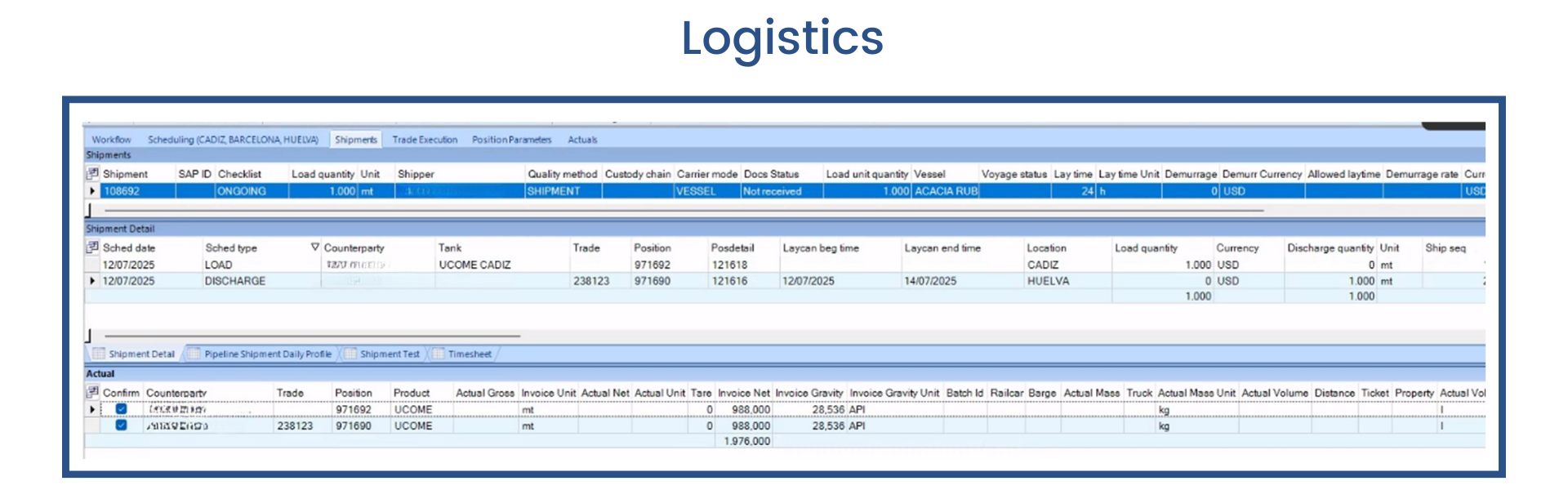
A structured process ensures consistency across all business areas – Valuation, P&L and MtM Parity Checks, Inventory and Logistics Parity and Settlement Parity. Data consistency is not just technical validation. It directly impacts UAT duration, risk posture, and operational readiness. Three outcomes determine success:

Cutover Risk

Mismatches stall executive approval

Trust

Teams must reconcile within tolerance across systems

Speed

Clear acceptance standards shorten testing and sign-off timelines

From Technical Validation to Commercial Advantage

A structured reconciliation approach is not just operational discipline. It directly impacts business velocity, decision-making and market readiness. Value Creed enables firms to move through UAT faster, secure approvals sooner and protect executive confidence in financial outcomes. By eliminating manual reconciliation and introducing repeatable validation methods, test cycles reduce, risk posture strengthens and stakeholders align quickly on go-live decisions. The commercial advantage is clear: faster time-to-value, lower implementation risk and stronger control over trading, valuation and settlement processes. Value Creed positions reconciliation as a business accelerator, proving system readiness and enabling firms to operate with confidence from day one.

E-CTRM-VALUE-CREED-3

Recommended Resources

Ready to get started?

Explore our suite of solutions designed to empower your trading and risk management functions. Partner with us for a transformative CTRM experience that drives success in today’s ever-evolving markets.